

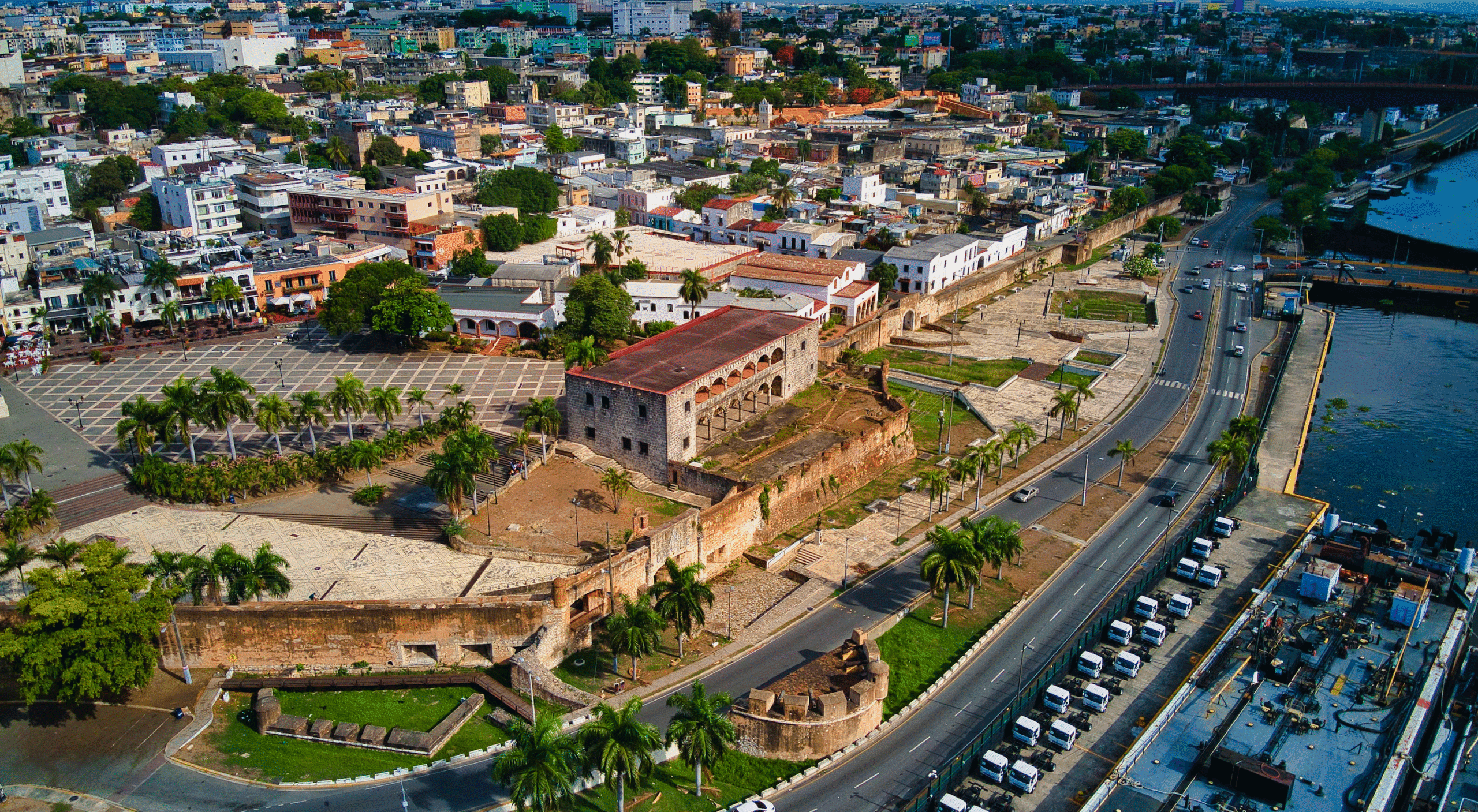

Esco Global Strategies operates across three cross-border markets: originating mandates from the Middle East and Europe, anchoring manufacturing operations in the Dominican Republic through free zones under Law 8-90, and delivering products duty-free to U.S. destination markets via CAFTA-DR. This tri-corridor model connects capital, manufacturing, and market access across the Americas, Middle East, and Europe through the Caribbean Economic Corridor.
Markets
The Corridor EGS Operates Across
EGS connects companies, capital, and governments across three strategic regions: the Middle East and Europe, Latin America with primary focus on the Dominican Republic, and the United States. This is not a geographic limitation – it is a deliberate operating corridor built around where the most significant nearshoring and capital deployment opportunities exist today.

Origin
Middle East & Europe
Israel, the Gulf, and European markets represent a significant source of industrial companies, institutional capital, and manufacturing expertise actively seeking U.S.-aligned expansion pathways. EGS originates mandates and capital from these markets and structures their entry into the Americas.

Anchor
Latin America – Dominican Republic
The Dominican Republic is the primary anchor of the EGS operating model. CAFTA-DR provides direct U.S. market access. Free zone infrastructure delivers near-zero tax environments, established manufacturing ecosystems, and 2-4 day shipping to the U.S. eastern seaboard. ProDominicana and CNZFE provide the institutional framework for structured market entry.

Destination
United States
The U.S. market is the commercial destination for most mandates EGS structures. Whether through nearshoring into free zones, capital deployment by U.S.-facing funds, or manufacturing relocation strategies for U.S.-bound production – every pathway EGS designs terminates in real access to the U.S. market.
Why the Dominican Republic
The most efficient nearshoring gateway into the U.S. market in the Western Hemisphere.
CAFTA-DR Access
Duty-free access to the U.S. market for qualifying manufactured goods under the Central America-Dominican Republic Free Trade Agreement.
Free Zone Infrastructure
Near-zero tax environment, 100% foreign ownership, full profit repatriation, and established industrial parks with existing utilities and workforce.
Logistics Advantage
2-4 day shipping to U.S. east coast ports. Proximity eliminates the supply chain vulnerabilities associated with Asia-based manufacturing.
Government Alignment
ProDominicana and CNZFE provide a structured, institutional entry point for foreign investment. EGS maintains direct relationships within these agencies.
Manufacturing Ecosystem
Established base of 600+ companies across textiles, medtech, tobacco, footwear, and industrial sectors operating within the free zone system.
Political Stability
One of the most stable operating environments in Latin America with a consistent track record of U.S.-aligned economic policy.
Deep Dive: Market Analysis
Dominican Republic vs Mexico, Costa Rica, and all CAFTA countries.
Dominican Republic ProfileLaw 8-90, CAFTA-DR, 92 industrial parks, and freight logistics.
Caribbean Economic CorridorThe strategic framework connecting the Middle East and U.S. via the DR.
DR Free Zone Tax IncentivesLaw 8-90 incentive structure for foreign manufacturers.
Frequently Asked Questions
Common questions about Markets.
Which markets does EGS operate in?
EGS focuses on the Caribbean Basin and Latin America, with primary execution in the Dominican Republic. Cross-jurisdictional mandates may involve coordination across U.S., Caribbean, and Latin American regulatory frameworks.
How does the Dominican Republic compare to Mexico for nearshoring?
Both offer U.S. trade agreement access. Mexico provides USMCA benefits and a large labor pool but carries higher operational complexity and a 30 percent corporate tax rate. The DR offers CAFTA-DR access, 0 percent corporate and income tax in free zones, and a streamlined setup process for qualifying manufacturers.
Can EGS structure mandates across multiple countries?
Yes. EGS is structured for cross-jurisdictional execution. Mandates requiring coordination across Caribbean, Latin American, and U.S. regulatory frameworks are within operational scope.
Does EGS work with European or Middle Eastern companies targeting the U.S. market?
Yes. A significant portion of EGS mandates involve companies from Europe, the Middle East, and Asia seeking U.S. market access through a Caribbean Basin production platform. CAFTA-DR and DR free zone benefits are well-suited for this strategy.